35 Years of Apple Computers Displayed
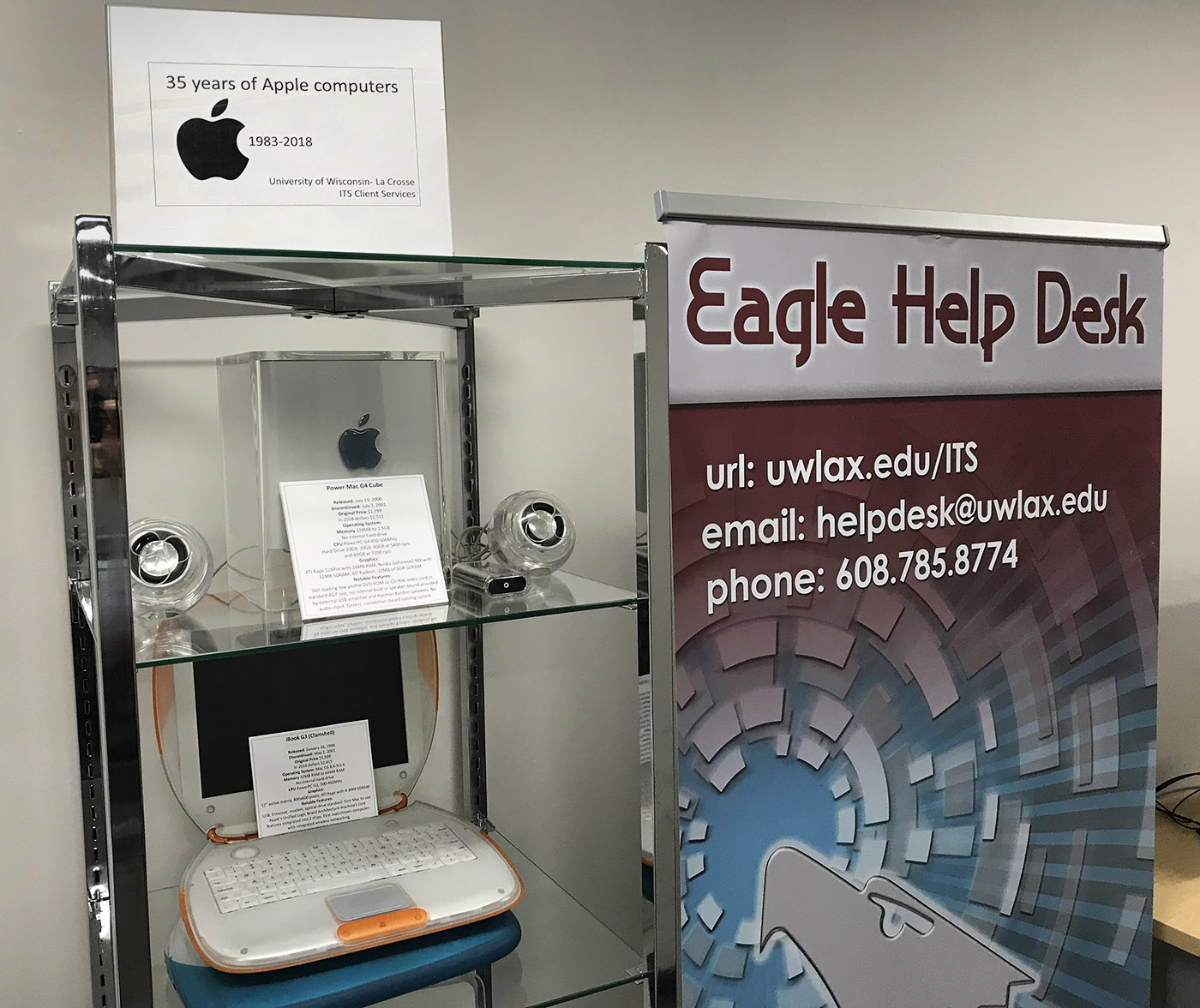
Our ITS Client Services Eagle Help Desk developed a small museum display, celebrating 35-years of Apple computers. ABC affiliate WXOW covered this event and filed this news segment.




"Communication needs to be clear, concise, and frequent."

"Build a more focused IT organization with the ability to proactively adapt to new technology, new roles and implement seamless and customer centered process."
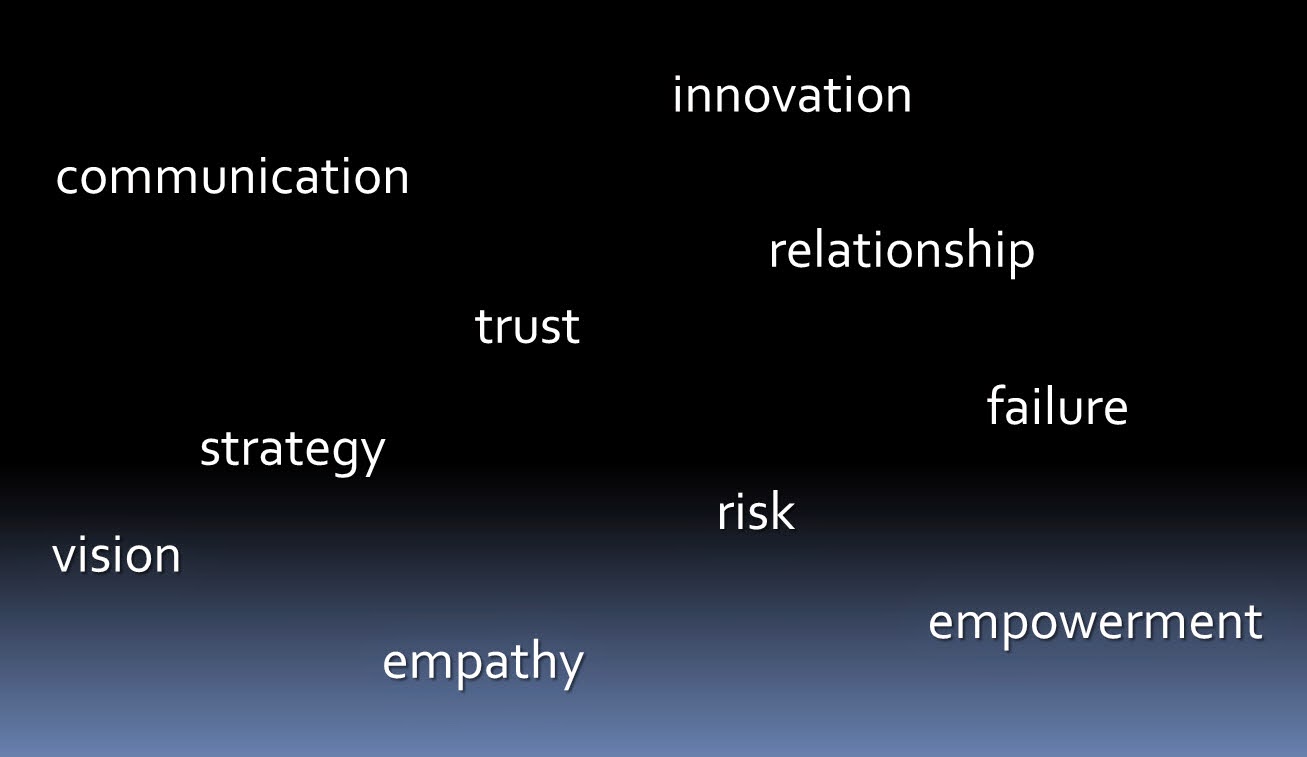
 Trust is another important element in building an effective team. Without trusting in your leadership, and your co-workers, it makes for an environment which cannot function effectively and efficiently. To continually build trust, the workplace must instill a sense of accurate and consistent communications.Trust is a long term process to earn, but much more difficult to get it back once it's lost. As defined, trust is the "belief that someone or something is reliable, good, honest, and effective."
 Another key component for a successful IT is how we EMPOWER our employees. As a manager, it is question that we too often fail to ask our employees. Perhaps we just don't think about asking "the question" or on a more subconscious level, maybe we don't want to take the risk of hearing the answer. Finding ways to empower employees takes time and effort. One of the best ways to accomplish empowerment is to put employees into lead project positions and let them succeed, or fail. Failure is one of the 10 core strategies to change IT culture. The Honda Motor Company created a series of documentaries around the theme of The Power of Dreams. One of these films, "Failure-the Secret to Succcess," deals with our ability to deal with Failure and to first admit it, then learn from it.
 With the realization of failure also comes with the potential for success. It was Thomas Edison who once said, "I have not failed. I've just found 10,000 ways that won't work." To encourage success it is important to innovate. For example, providing a wide, diverse, and innovative technology training programs not only energizes the faculty to learn, but it also supercharges the staff presenters to learn, stretch themselves, and motivates them to lead. Innovative events such as HOT-Hands on Technology, Passport to Technology, and Tech 4 U serve to create interest and excitement and help to sustain the technology training program. You can learn more about these interesting technology training sessions by going to the UW-La Crossse ITS web site.
 One lingering strategy that is rarely discussed in transforming IT culture is the concept of EMPATHY. The notion of empathy extends from teh manager to the employee, but also from the IT staff to the client. As the definition tells us, empathy is "our ability to understand the feelings of another."Understanding the backgrounds, work and personal lives helps the employer make strategic yet empathetic choices when working with employees. Understanding these same things when working with clients and stakeholders helps to provide a point of reference when searching out technology or process solutions.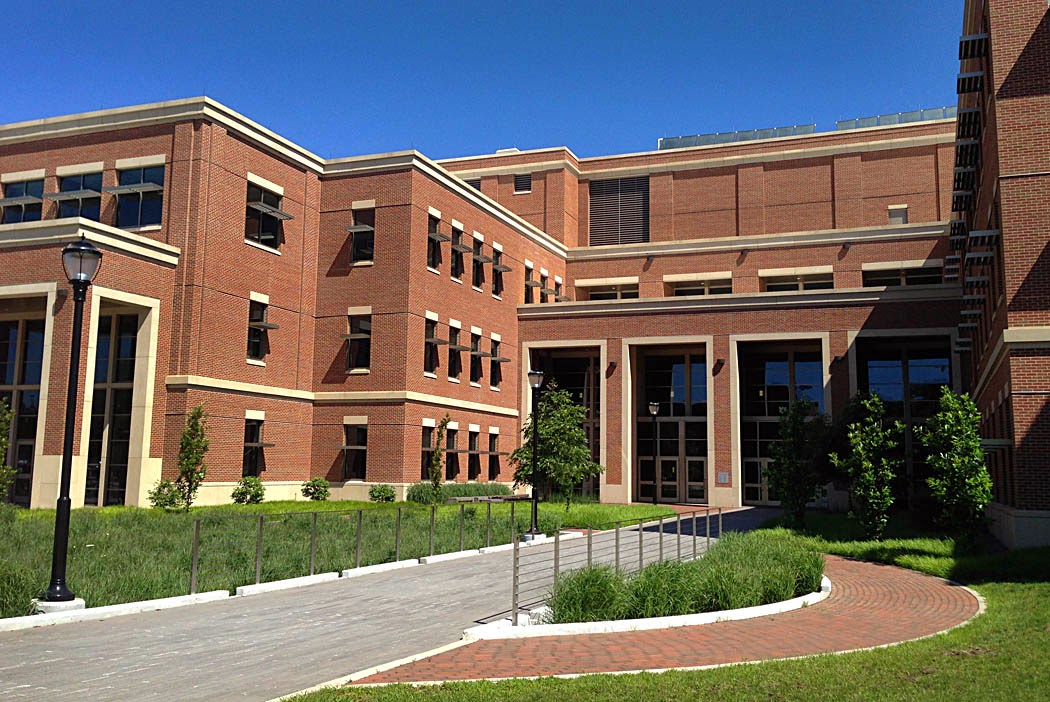

 Reuter Hall Construction-http://goo.gl/WSDpjm
